How the types differ
Look at the sleeve, where the pattern sits, whether there are family crests, and what occasion the robe was made for. A higher formal rank is not automatically better for walking in Kyoto.
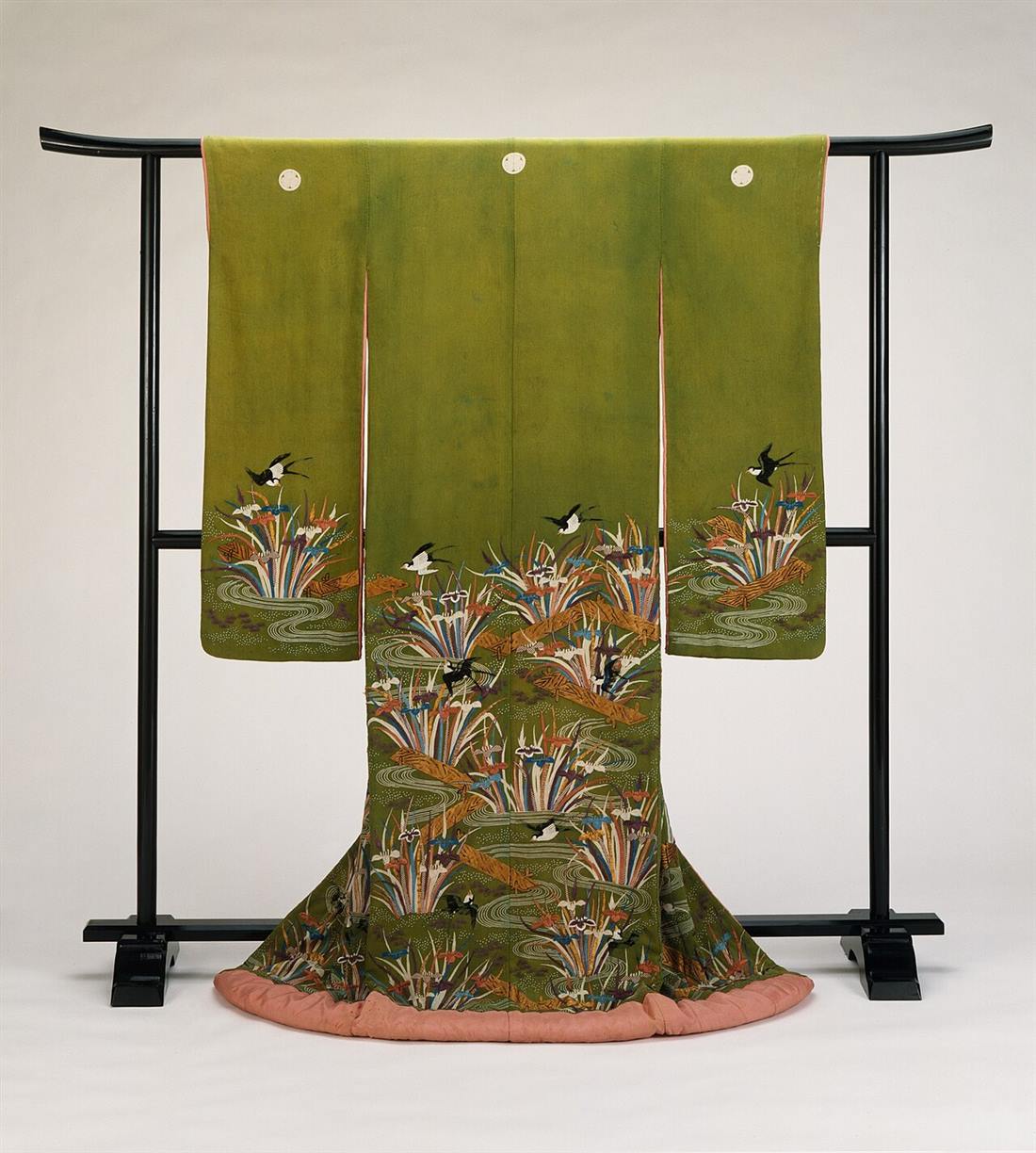
Furisode
The sleeves are long. Traditionally this is formal dress for an unmarried woman, used at coming-of-age and as a wedding guest. The pattern often runs from sleeve to hem.
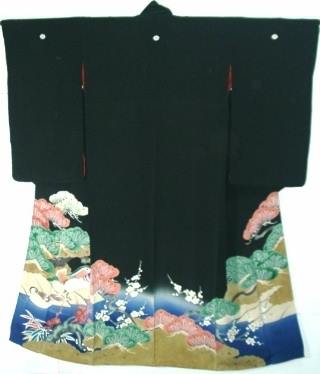
Kurotomesode
Black ground, five crests, pattern only on the lower half. This is the most formal kimono for a married woman. Irotomesode is the same idea on a colored ground. The number of crests marks the level.
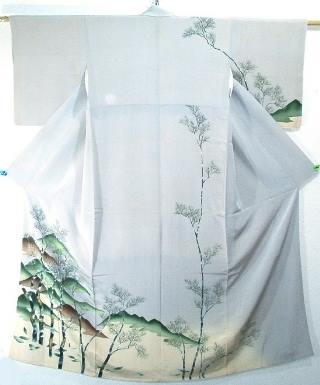
Homongi
The pattern crosses the seams, from shoulder and sleeve down to the hem. It is for visits and parties: less formal than tomesode, more formal than komon. Married or unmarried, both can wear it.
Komon
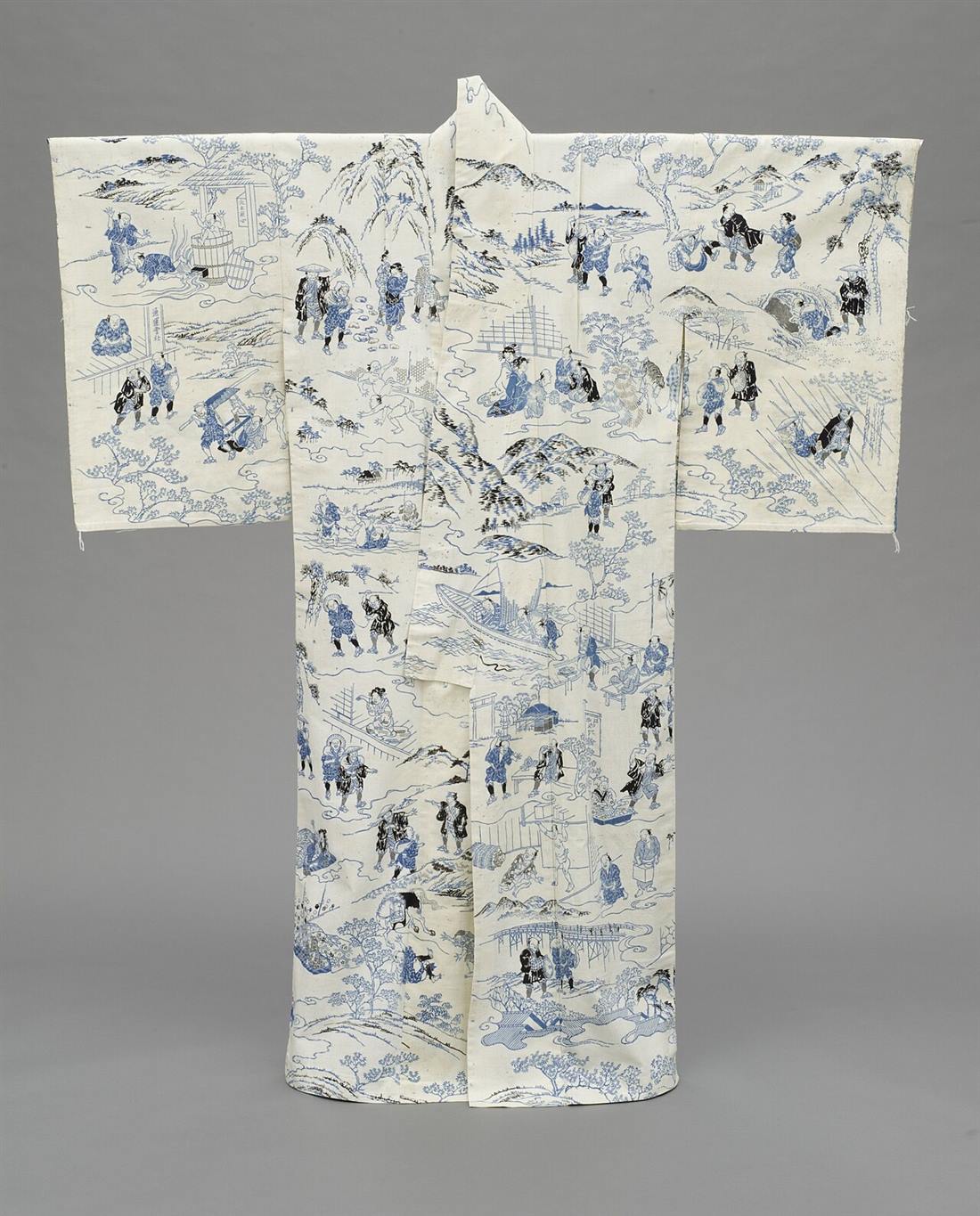
A small pattern covers the cloth. Seams may cut the motif. This is for walking and ordinary outings. Our experience plan sits here, not at furisode.
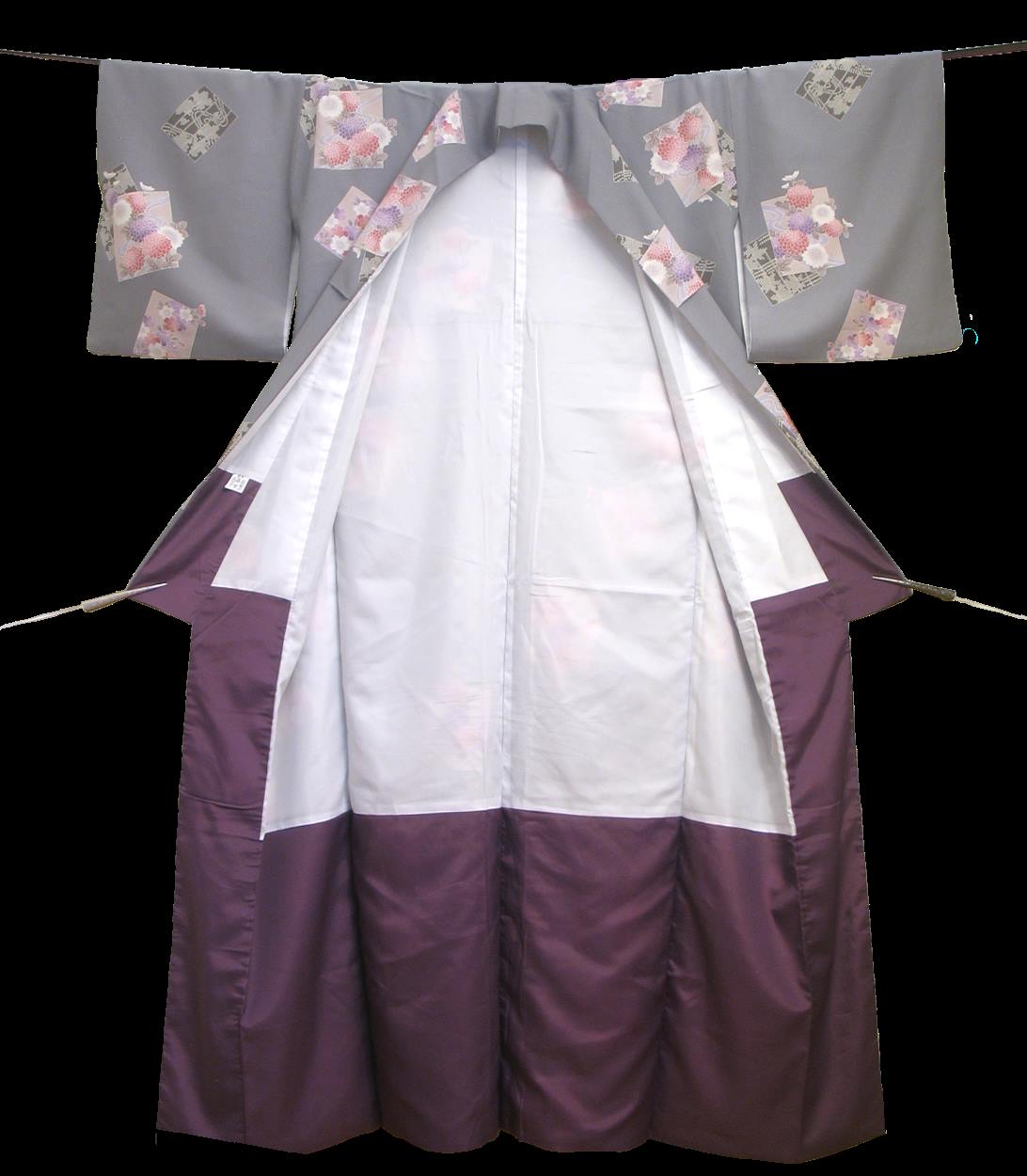
Yukata
Cotton, unlined, for summer. Fireworks, festivals and an evening walk. It does not have the layers of formal dress. Rain and cold weather do not suit it.
Men walking in kimono do not need hakama. Hakama is the trouser-like garment added for formal dress, with a crested kimono and haori. This page does not use a sword display to stand in for today’s rental.
The published Kimono Kyoto experience price is ¥2,980 per person, tax included: a basic outfit, accessories and dressing. Photography and hair are not included. Luxury furisode is listed from ¥9,800, tax included, as a reference, and the date has to be confirmed. These photographs are not the robe you would be handed that day.
Files were resized. Furisode, LACMA, public domain. Kurotomesode, Ichiro Wada, CC BY-SA 3.0. Homongi, Ichiro Wada, CC BY-SA 3.0. Komon, Pitke, CC BY-SA 3.0. Yukata, LACMA, public domain.


